It prevents the formation of advanced glycation end products (AGEs), which contribute to age-related diseases, such as diabetes, cardiovascular disease, and neurodegenerative disorders (Nagai et al., 2012)
Non-pharmacological approaches should not be overlooked and often form the foundation of chronic pain management: Physical therapies physiotherapy, exercise programmes, and stretching can address musculoskeletal pain Heat and cold therapy simple but effective for many pain types Weight management particularly relevant for fatty liver patients, as weight loss can improve both liver health and reduce pain from weight-bearing joints Psychological approaches cognitive behavioural therapy (CBT) and mindfulness-based stress reduction for chronic pain For severe or chronic pain unresponsive to simple measures, referral to a pain management specialist may be appropriate
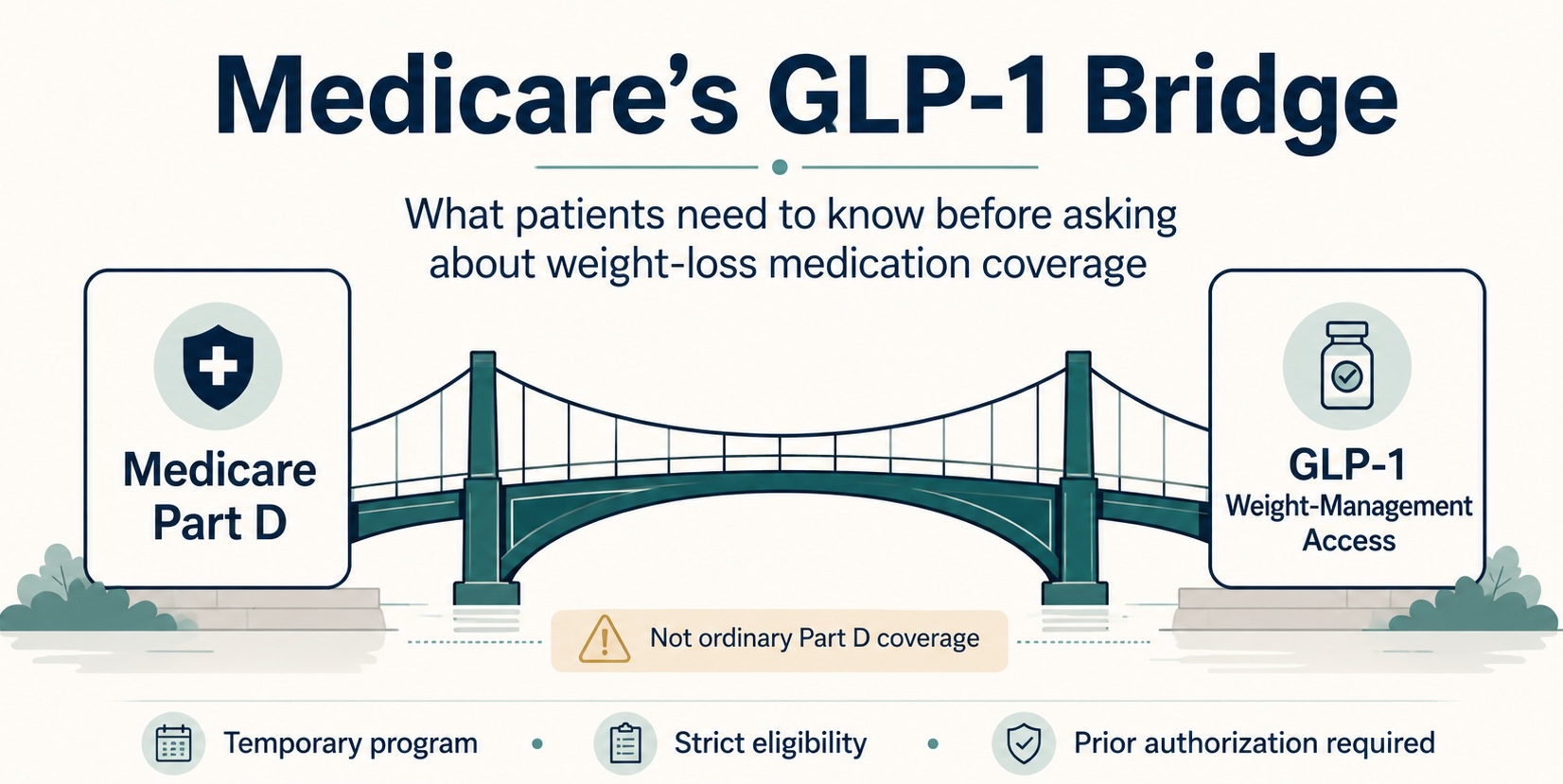
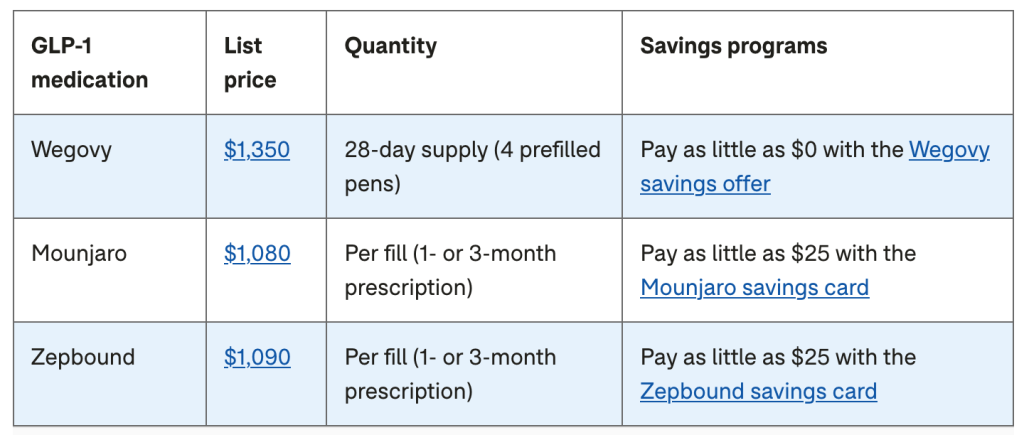
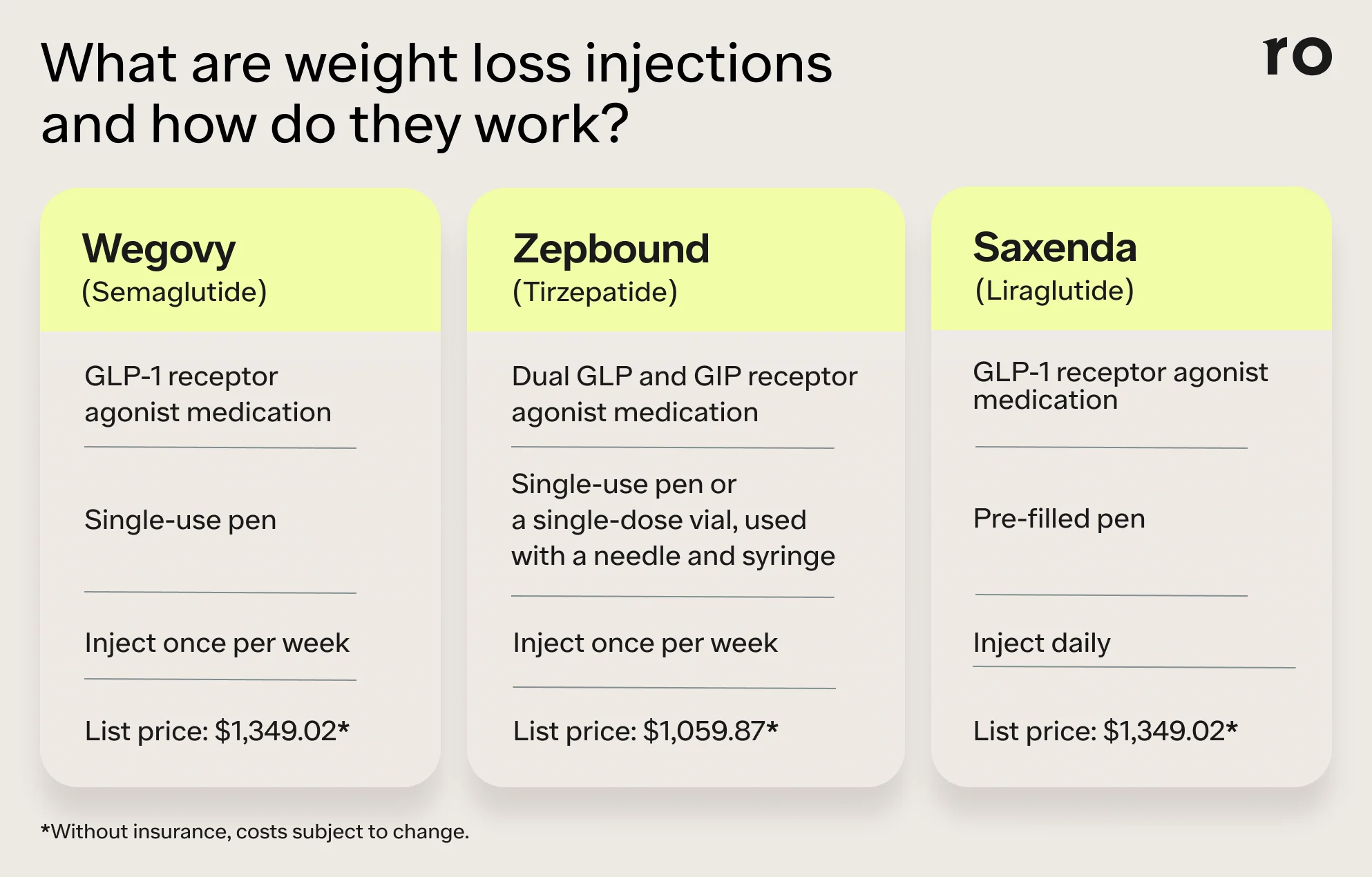
Learn more about GLP-1 for weight loss
International Journal of Obesity (London), 2012;36(6):843-854
Major lifestyle determinants of plasma total homocysteine distribution: The Hordaland Homocysteine Study




















![Forsaken Sanctuary [Rivals of Ixalan] SPA Nueva Benalia](https://cdn.shopify.com/s/files/1/0268/5285/1798/products/32e5daf3-6a55-4c2f-92d1-33e0755ee280.jpg?v=1571890289)